

Tax savings
The City of New York is acutely aware of the rising cost of living, so has taken pains to ensure medium and low wage earners, (including city workers and first responders) essential to keep the city running, can afford to call it home. That’s why they introduced the 421-a tax break for developers way back in 1971. In a nutshell, it’s a tax exemption program given to building developers that typically lowers the property taxes for residential units for a certain amount of time and, in turn, passes those savings on to buyers. Since its enactment, the program has been greatly expanded, offering greater tax abatement for homeowners and vastly expanding the number of participants over the years.
According to an article in thecity.nyc, 56% of the city’s multifamily residential units created in the last 8 years involved the 421-a tax break, and 28% of affordable units in the same period were subsidized by a 421-a. Under the current day plan, developers who apply to build under the tax break must dedicate 20% of their building’s units to be sold for restricted income residents.

Although the existing 421-a is set to expire on June 15th, a newer version (with a new name, 485-w) has been proposed. However, it’s by no means a certainty that it will be preserved, which is why, if you’re in two minds about buying, and the cost is keeping you from making a move, it would be well worth looking into buildings developed under the 421-a plan as a way to save on taxes and pricing.
In addition to the 421-a tax plan, homeowners in the US can deduct the interest they pay on their mortgage for the first $1 million of mortgage debt from their taxes.
If homeowners buy a multi-unit building to live in they can also deduct repairs, maintenance, and depreciation from their taxes.

Equity building
This is one of the oldest, most tried and trusted reasons to buy real estate. As you pay down your mortgage, you gain equity. Also, in New York, house prices, over the long term, have always increased significantly. Today’s rampant inflation is only likely to accelerate that trend, accruing wealth for homeowners.
Stabilize monthly expenses
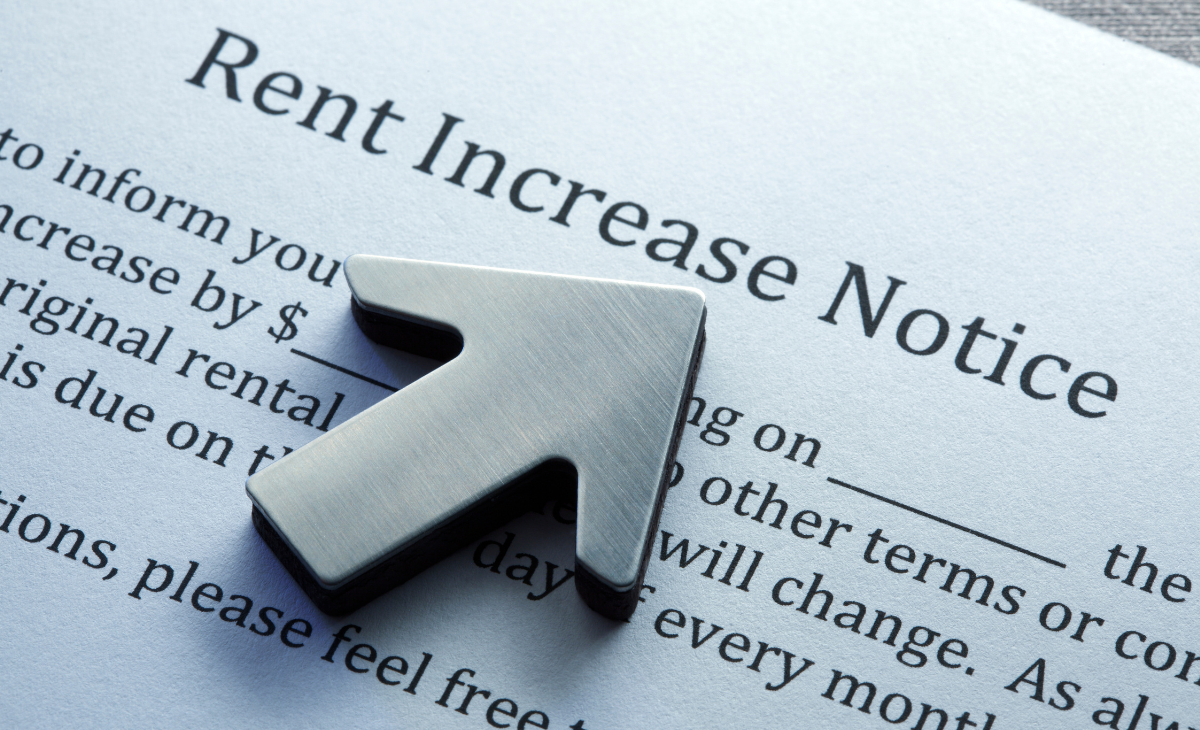
As a renter, you have no control over rent increases. In, fact, according to StreetEasy, by the end of 2021 there was a stunning 52.4% decrease in NYC rental inventory which has driven up prices. However, once you lock in a mortgage rate, your payment won’t change, unless you choose to get an adjustable-rate mortgage, and even then, rate changes happen over specific time frames. Knowing how much your mortgage payment is every month helps you plan financially.
Hedge against inflation
Interest rates are at historic lows currently but are due to rise. Locking in a mortgage with a fixed interest rate is a hedge against rising rates, against increased building costs and price and rentals increases of future condos and apartments.

Summary
As well as the points raised above is the subject of decreasing housing inventory for sale. While there was a surplus before the pandemic, there has been a double-digit drop in inventory inflaming the white-hot NYC housing market. Compounding this are supply chain issues which are increasing the costs of building materials, and the speed of developments.
Unlike the housing crash of 2008, the limited inventory points to an extended period of bidding wars and limited days on the market throughout the country. Ironically, as NYC underwent a period of complete inactivity during the pandemic with price and rental drops, it has yet to catch up to the suburbs with regards to limited inventory but it will soon. This means, if you’re contemplating buying, now is the time to act.